What does daily life really feel like when your home sits at the edge of vineyard country and timbered foothills? In Polk County, that answer is less about postcard scenery and more about rhythm, stewardship, and access to the outdoors. If you are drawn to small-acreage living, rural views, and a place that feels connected to both agriculture and forestland, this guide will show you what makes the lifestyle here distinct. Let’s dive in.
Polk County's Vineyard-Edge Setting
Polk County offers a landscape that feels layered and grounded in real working land. County sources describe fertile valleys stretching from the Willamette River to the timbered foothills of the Coast Range, with back roads, parks, vineyards, wineries, and covered bridges shaping the scenery.
That mix matters if you are considering a homestead near vineyard country. You are not looking at a one-note wine destination. You are looking at a rural setting where open vineyard rows, pasture edges, wooded hillsides, and agricultural roads can all exist within the same daily view.
County leadership also notes that nearly two-thirds of Polk County is forest. That helps explain why a vineyard-edge property here often feels softer, quieter, and more connected to working landscapes than a typical suburban fringe setting.
Why Polk County Feels Like Wine Country
Polk County is part of the Willamette Valley wine region, which the Oregon Wine Board describes as Oregon’s oldest wine region and home to two-thirds of the state’s wineries and vineyards. That gives the area a strong and credible wine-country identity.
At the same time, Polk County keeps its own character. The county has the second-largest area devoted to viticulture in Oregon, which means vineyards are not just a backdrop here. They are part of the land-use pattern, the local economy, and the visual identity of many rural roads.
One of the clearest examples is the Mount Pisgah, Polk County, Oregon AVA, recognized in 2022. According to the Oregon Wine Board release on the federal recognition, the area includes 10 vineyards and 3 wineries, with marine sedimentary soils and varieties such as Pinot noir, Chardonnay, Pinot gris, Tempranillo, and Pinot blanc.
That same source points to the warmth of the nearby Willamette River, the mild influence of Van Duzer winds, and the rain shadow of Laurel Mountain. For you as a buyer or landowner, that helps explain why this part of Polk County can feel distinctly vineyard-adjacent while still holding onto a rural, wooded identity.
What a Small Acreage Lifestyle Looks Like
Life on a vineyard-edge homestead in Polk County is shaped by the seasons more than the clock. The climate pattern on the valley floor tends to bring wet winters, damp springs, dry summers, and foggy fall mornings.
Using Salem McNary Airport as a nearby climate reference, NOAA reports that annual rainfall on the valley floor runs about 35 to 45 inches. Nearly 90 percent of that falls from early October to mid-May, while only about 2 percent falls in July and August.
That pattern has practical effects on how you use and care for the land. In many years, drainage, mowing, brush control, and irrigation will matter more to your routine than snow removal.
NOAA also notes an average last 32-degree spring date of April 18 and a first fall 32-degree date of October 28. If you are thinking about gardens, small orchards, pasture use, or managing a few acres around a home, those seasonal boundaries are part of the planning picture.
Winter and Spring Chores
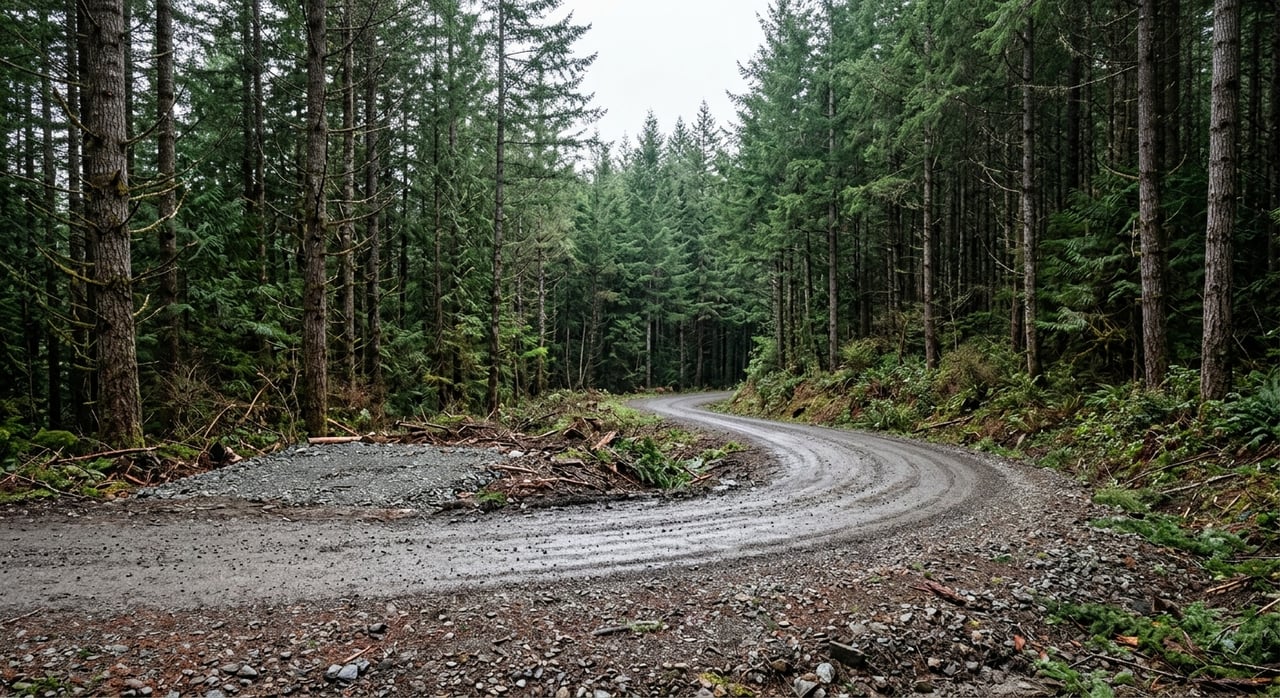
From fall into spring, moisture drives a lot of decision-making on rural property. You may spend more time watching runoff, maintaining gravel drives, managing muddy transitions, and making sure ditches and drainage paths stay functional.
Spring often arrives cool and damp before conditions begin to dry out in May and June. If your property includes open ground near vineyards, pasture, or field edges, this can be the season when growth takes off and maintenance picks up quickly.
Summer and Fall Rhythms
Summer often brings the opposite challenge. NOAA’s precipitation normals show 6.08 inches in January and just 0.25 inches in July at Salem, which is a sharp reminder that winter abundance does not carry through the dry season without planning.
That is why irrigation, mowing schedules, and brush control become such important parts of small-acreage living. Fall can also bring dense fog in the morning, creating a slower, quieter feel that many rural owners enjoy but should also expect as part of everyday visibility and travel conditions.
Stewardship Is Part of the Lifestyle
A vineyard-edge homestead is not just about views. It also asks you to pay attention to how the land functions.
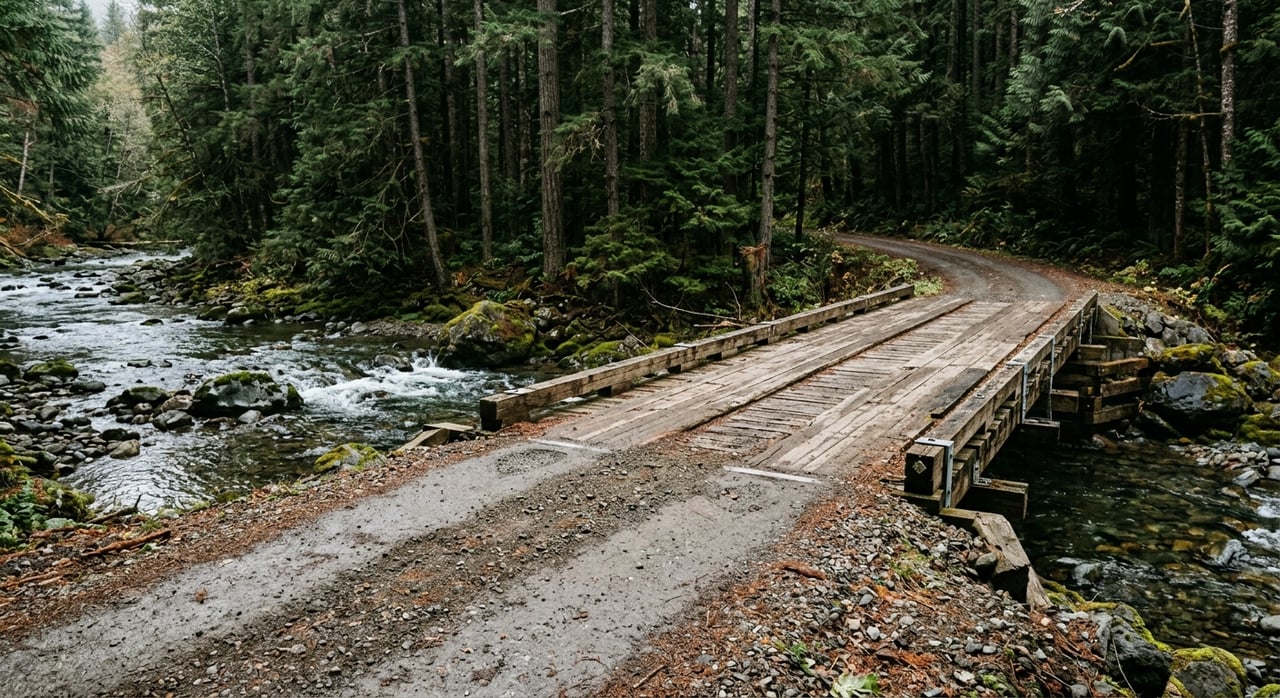
Polk County’s roadside vegetation program highlights concerns such as fire and weather hazards, sight distance, invasive species, and maintaining brush and trees along county rights-of-way. If your land sits on a rural road, that means the edge of your property may involve more active maintenance than you would expect in town.
In practical terms, the beautiful parts of the landscape often come bundled with responsibility. Ditch banks, roadside brush, and fire-wise upkeep are not separate from the homestead experience here. They are part of how you protect access, preserve usability, and care for the setting over time.
Food, Wine, and Local Stops
One of the biggest benefits of living in this part of Polk County is that country living does not mean giving up local experiences. The Great Oaks Food Trail, highlighted by Travel Oregon, brings together 47 agricultural and culinary businesses across greater Polk County.
The trail is built around local history, farms, wine, and wildlife, which fits the everyday feel of the area. You can picture a normal weekend that includes errands in town, a stop at a farm or tasting room, and a slower drive home through vineyard and pasture country.
Travel Oregon also notes Polk County’s history as the Hop Center of the World. That agricultural legacy still shows up in the way the county feels today, with productive land, local food culture, and a strong connection between scenery and working farms.
Outdoor Access Beyond Your Gate
A major part of the appeal in Polk County is how much outdoor variety sits close to home. County parks include local parks, playgrounds, trails, fishing lakes, and more, giving you simple day-trip options without needing to leave the area.
Buell is known for scenic trails and fishing. Buena Vista offers a boat ramp, dock, fishing, and a scenic river area and is open year-round. County parks do not allow overnight camping, which keeps the experience centered on easy, local outings.
Baskett Slough National Wildlife Refuge adds another layer to everyday life outdoors. The refuge offers hiking, wildlife observation, photography, environmental education, year-round trails, and observation areas.
It also has more than 250 recorded bird species and was established to protect wintering habitat for dusky Canada geese. For you, that means fall and winter can feel especially alive, with migration and waterfowl activity becoming part of the seasonal rhythm.
Secluded, But Not Cut Off
One of Polk County’s strongest lifestyle advantages is balance. County officials note that the Oregon coast is about 40 minutes west and the Cascade Range about an hour east.
That kind of access helps the area feel private without feeling remote. You can have a home base shaped by vineyards, woods, and small-acreage chores, while still keeping river outings, wildlife loops, coast trips, and mountain drives within reach.
Dallas also sits about 15 miles west of Salem, which supports a practical day-to-day routine for many rural property owners. You get breathing room, but you are not cut off from regular services and regional connections.
What Buyers Should Notice on Rural Land
If you are exploring a vineyard-edge homestead in Polk County, it helps to look past the view and study how the property works. Land in this setting is about more than curb appeal.
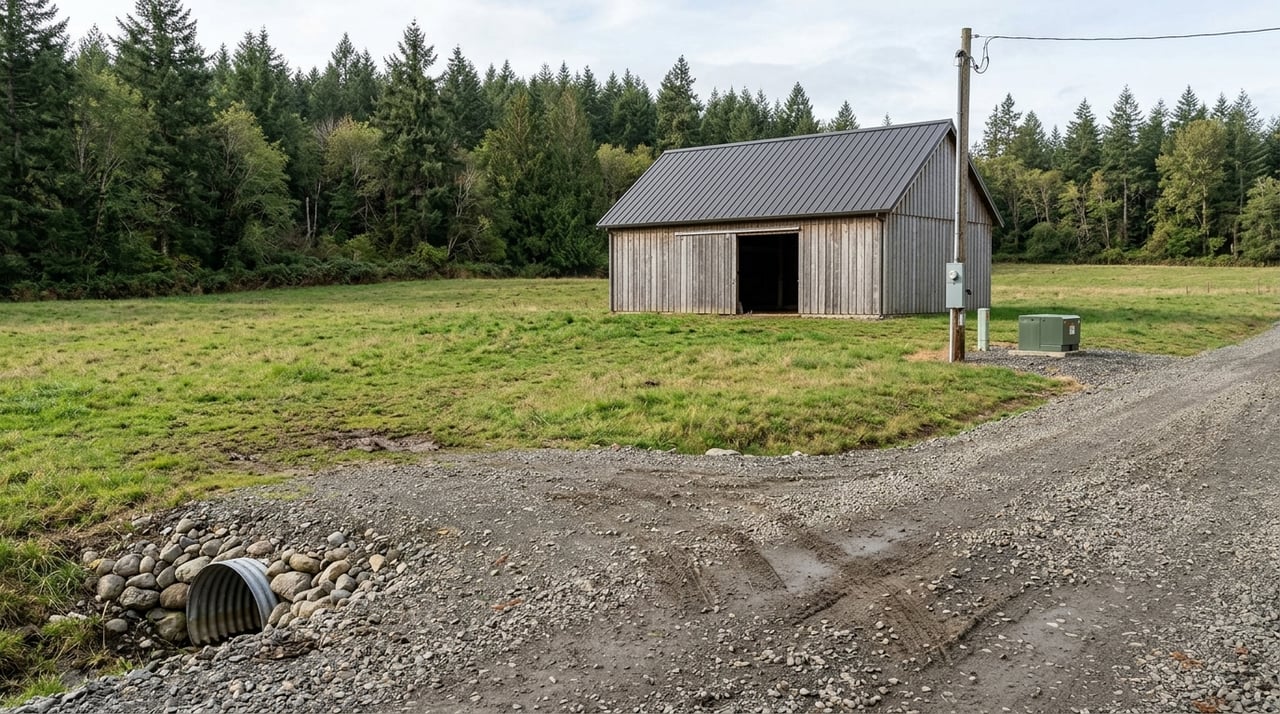
Pay close attention to how water moves in winter, how open ground will be maintained in summer, and how road frontage or rights-of-way affect the property edge. On rural acreage, usability often comes down to drainage, access, vegetation management, and how much ongoing work the setting will ask of you.
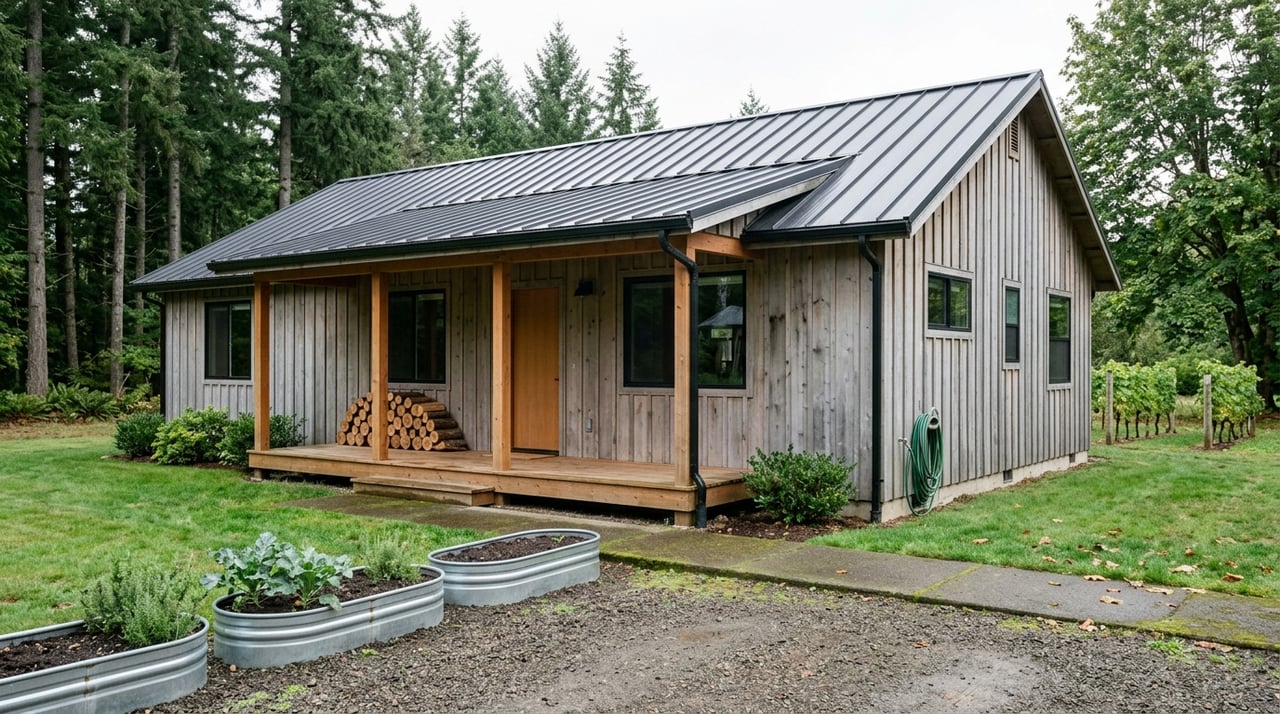
It is also worth considering how the property fits your goals. Some buyers want a quiet rural home near wine country. Others want hobby-farm potential, room for recreation, or a setting that feels connected to timber, wildlife, and stewardship.
Why This Lifestyle Appeals to So Many Buyers
Polk County offers a rare middle ground. You can enjoy the identity of Willamette Valley wine country without losing the practical, grounded feel of western Oregon rural land.
That is what makes vineyard-edge homestead living here so appealing. You get scenic value, working-land character, seasonal variety, and a pace that rewards people who want to be involved with the land rather than just look at it.
For buyers who value open space, outdoor access, and a setting that feels rooted in agriculture and forest, Polk County stands out. It is a place where stewardship and lifestyle naturally go together.
If you are looking for a rural home, small acreage, or land that captures this part of Polk County, David Brinker can help you evaluate the land, understand the setting, and find a property that fits the way you want to live.
FAQs
What is life like on a vineyard-edge homestead in Polk County, Oregon?
- Life often centers on seasonal land care, rural views, nearby wine-country amenities, and easy access to parks, river areas, and wildlife-focused outdoor recreation.
What makes Polk County, Oregon feel like wine country?
- Polk County is part of the Willamette Valley wine region, has the second-largest area devoted to viticulture in Oregon, and includes the Mount Pisgah, Polk County, Oregon AVA.
What climate should you expect on a small acreage in Polk County, Oregon?
- Expect wet winters, cool damp spring periods, dry warm summers, and fall mornings that can include dense fog, with most rainfall arriving from early October through mid-May.
What outdoor activities are near rural homes in Polk County, Oregon?
- Nearby options include fishing, boating access, trails, birdwatching, wildlife observation, photography, and day use at county parks and Baskett Slough National Wildlife Refuge.
What should buyers look for in a Polk County rural homestead?
- Focus on drainage, summer maintenance needs, road frontage conditions, vegetation management, and how the land supports your goals for living, recreation, or small-acreage use.