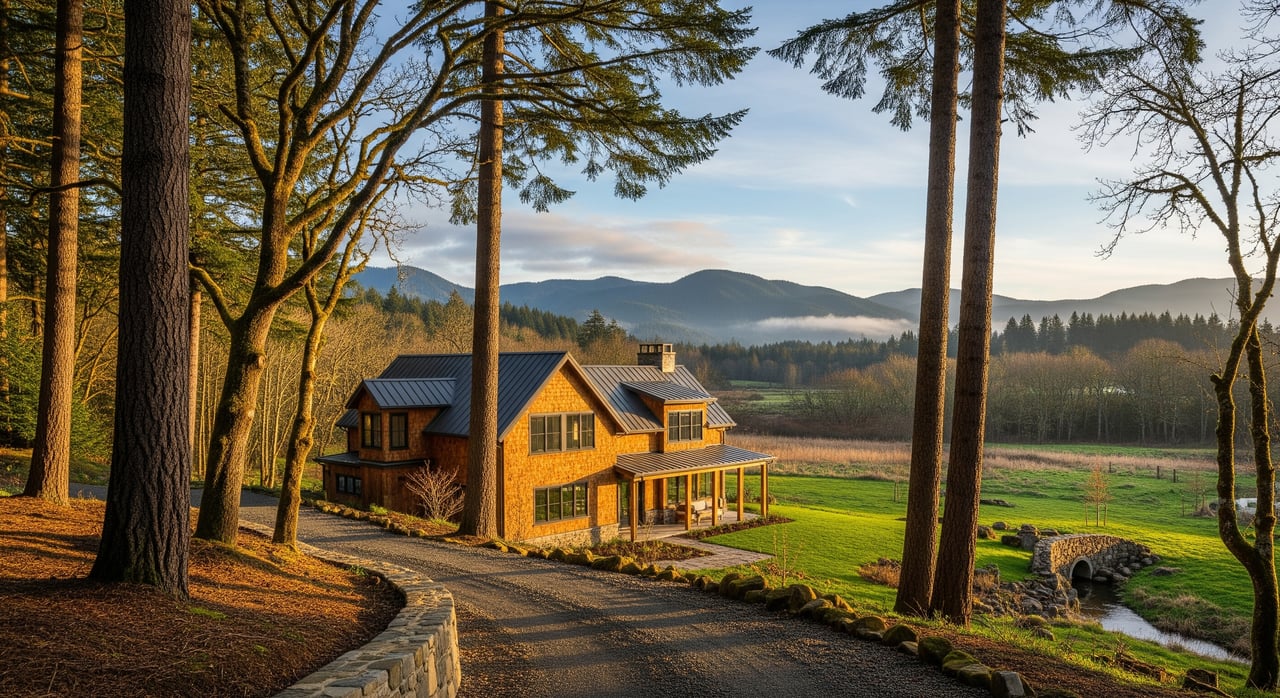
Thinking about buying timber acreage in Polk County or building on land you already own? Zoning and forest practice rules shape what you can build, when you can harvest, and how you can use the property. It can feel complex at first, especially if you are comparing rural residential expectations with true forestland rules. This guide gives you the essentials so you can plan with confidence and ask the right questions. Let’s dive in.
State and county roles
Oregon’s land-use system sets statewide policy through Statewide Planning Goals, including Goal 3 for Agricultural Lands and Goal 4 for Forest Lands. Counties then map and zone land to meet those goals and adopt local codes to implement them. That means your property is governed by both Polk County’s zoning and state-level requirements.
Polk County Planning and Development administers zoning, permits, and land divisions in unincorporated areas. The Oregon Department of Forestry regulates timber operations under the Oregon Forest Practices Act, including notifications for most harvest activities. The Oregon Department of Revenue and the county assessor oversee farm and forest special assessment programs that affect your property taxes.
Key takeaway: always check both county zoning rules and state forest and tax programs before you buy or build.
Common zones you will see
Polk County assigns zones that reflect intended long-term uses. The exact zone name and standards appear on the county zoning map and in county code, so confirm the parcel’s label with the county.
Exclusive Farm Use
- Purpose: preserve agricultural lands and activities.
- Uses: farm operations and structures, some farm-related processing, and limited nonfarm dwellings by approval.
- Building: dwellings are often tied to farm use and subject to strict standards. Partitions and subdivisions are tightly controlled.
Forest use or resource zones
- Purpose: conserve forestlands and support long-term timber production.
- Uses: timber production, forestry structures, and in many cases one dwelling per parcel subject to criteria.
- Building: siting, minimum parcel sizes, and land-use review often apply. Confirm whether a forest dwelling is an allowed or conditional use.
Rural residential or holding zones
- Purpose: low-density rural living where some small-scale agriculture or forestry may occur.
- Building: more permissive for residences, but septic, well, access, and wildfire requirements still apply.
Overlays that add limits
- Riparian, wetland, steep-slope, or habitat overlays can add setbacks and restrict building, road work, and harvest methods. Always check for overlays on the parcel.
Building on forest or farm-forest land
Building is possible on many parcels, but the path depends on the zone, parcel history, and site conditions.
Permits and approvals
- Land-use determination: confirm that your proposed use is allowed in the zone and whether it is permitted outright or requires a conditional use permit.
- Building permits: structural permits follow county review. Expect septic approval and well permits if you are not on public utilities.
- Discretionary reviews: nonfarm or forest dwellings and some other uses may require a conditional use permit with public notice and conditions of approval.
Site and access standards
- Siting limits: setbacks, slope constraints, and riparian setbacks affect where you can build.
- Roads and driveways: width, grade, and drainage standards apply. Stream crossings and significant grading may trigger additional review.
- Easements: confirm legal access and any maintenance agreements for private roads.
Fire safety requirements
- Expect defensible space measures, adequate fire apparatus access, and other wildfire mitigation standards tied to new construction.
- Your local fire district and the State Fire Marshal may be stakeholders during review.
Septic and well feasibility
- A soils evaluation is often required to site a septic system. Wells require permits and should be evaluated for capacity and water quality.
Timber harvest and timing
Oregon regulates most timber operations on private land through the Oregon Forest Practices Act. The focus is on water quality, fish habitat, and reforestation after harvest.
Notifications and rules
- Most harvests, road construction for harvest, and related operations require filing a notification with the Oregon Department of Forestry before work begins.
- ODF reviews your plan and may provide guidance or site checks to ensure compliance with forest practice standards.
Seasonal and site constraints
- There is no single statewide “open” season, but wet-season work can require extra erosion control and stream protection measures.
- Some watersheds or soil conditions can lead to timing limits to protect habitat and prevent sediment delivery. Consult the local ODF district forester early in planning.
Roads and stream crossings
- New forest roads and stream crossings must meet technical standards. Expect added review when culverts or bridges are needed.
- If county permits are required for approaches or grading, build that timeline into your plan.
Non-forestry uses on forestland
Many non-resource uses are possible, but most require careful review to prevent conflicts with forest goals.
Conditional uses
- Event venues, tourist uses, and certain commercial activities may be considered only by conditional use and often come with limits on hours, traffic, or noise.
Home businesses and accessory uses
- Home occupations are often allowed with restrictions on customer traffic, signage, and impacts.
Agriculture on forestland
- Small-scale farming may be allowed, but intensive or permanent conversion can conflict with the forest designation. Confirm compatibility with county planning.
Parcel sizes and land division
Resource zones are designed to avoid fragmentation. Minimum parcel sizes are common and can be large, and new divisions are limited.
- Lot-of-record: older, legally created small lots may be eligible for a dwelling if they meet county criteria.
- Partitions: creating new lots on farm or forest land is often difficult and requires meeting strict standards.
Taxes and special assessment
Oregon offers reduced assessment programs for qualifying farm and forestland. These programs tax the land based on resource use rather than market value.
- Enrollment: eligibility can depend on acreage, productivity, and management.
- Conversions: changing use or removing land from a program can trigger tax reassessment or rollback taxes. Harvesting timber by itself does not typically remove qualification, but conversion to non-forest use can.
- Confirm current enrollment with the assessor and review potential consequences before changing use.
Buyer checklist for Polk County
Use this quick checklist before you buy or build:
- Verify exact zoning and comprehensive plan designation with Polk County Planning.
- Confirm allowed uses and whether a dwelling is permitted or conditional.
- Check minimum parcel size, lot-of-record status, and any partition limits.
- Identify overlays: riparian, wetlands, steep slopes, wildfire hazard, and any recorded conditions.
- Review existing approvals, easements, and CC&Rs that may affect use or harvest.
- Confirm current tax status and any farm or forest special assessment.
- Evaluate septic feasibility, water source, and distance to power and broadband.
- Verify legal access, approach permits, and road standards you must meet.
- Identify streams or wetlands that add setbacks or permit needs.
- For harvests, confirm ODF notification requirements and any seasonal constraints.
Timelines, fees, and stakeholders
- Timelines: straightforward building permits can take weeks to a few months, especially if septic and well approvals are needed. Conditional uses, partitions, or variances often take several months and may include public hearings.
- Fees: plan for county land-use and building fees, septic and well permits, and possible consultant costs for surveying, soils, forestry, and road design. Road and culvert work can be a major cost driver depending on terrain and distance.
- Stakeholders: expect to work with Polk County Planning and Development, Polk County Environmental Health, the Oregon Department of Forestry, your local fire district, the county assessor, and utility providers.
Practical path forward
- Get a written land-use determination from Polk County Planning for the parcel. Ask it to list allowed uses, required approvals, and any overlays.
- Verify tax status and request disclosure of any recorded conditions or easements.
- If you plan to harvest, contact ODF early to discuss notifications and site-specific best practices.
- Order a septic feasibility study and an access and driveway evaluation before you commit to development budgets.
- If a conditional use or partition is likely, consult a local land-use professional about timelines, probable conditions, and appeal risks.
Ready to chart the right path for your Polk County forestland purchase or sale? Let’s talk about zoning, harvest timing, and value so you can move forward with clarity. Place your dreams in our hands — contact David Brinker to discuss your land.
FAQs
Can I build a house on forest-zoned land in Polk County?
- Possibly. It depends on your exact zone, parcel history, minimum parcel size, and whether a dwelling is an allowed or conditional use. You must also meet septic, water, access, and fire standards.
Do I need permission to harvest timber on my property?
- Most operational timber harvests require a notification to the Oregon Department of Forestry and must follow Forest Practices Act rules. Ask the local ODF district forester about site-specific timing constraints.
Can I split my forested acreage into smaller lots?
- Often very difficult. Resource zones are designed to prevent fragmentation, and partitions must meet strict criteria. Check minimum parcel sizes and any exceptions with the county.
Will building or harvesting affect my property taxes?
- Forest and farm special assessment can lower taxes, but changing use or removing land from a program can trigger reassessment or rollback taxes. Harvesting alone usually does not remove qualification. Confirm with the assessor.
Who should I call for definitive answers in Polk County?
- Contact Polk County Planning and Development for zoning and land-use, Environmental Health for septic and wells, the county assessor for tax status, and the Oregon Department of Forestry for harvest rules and notifications.