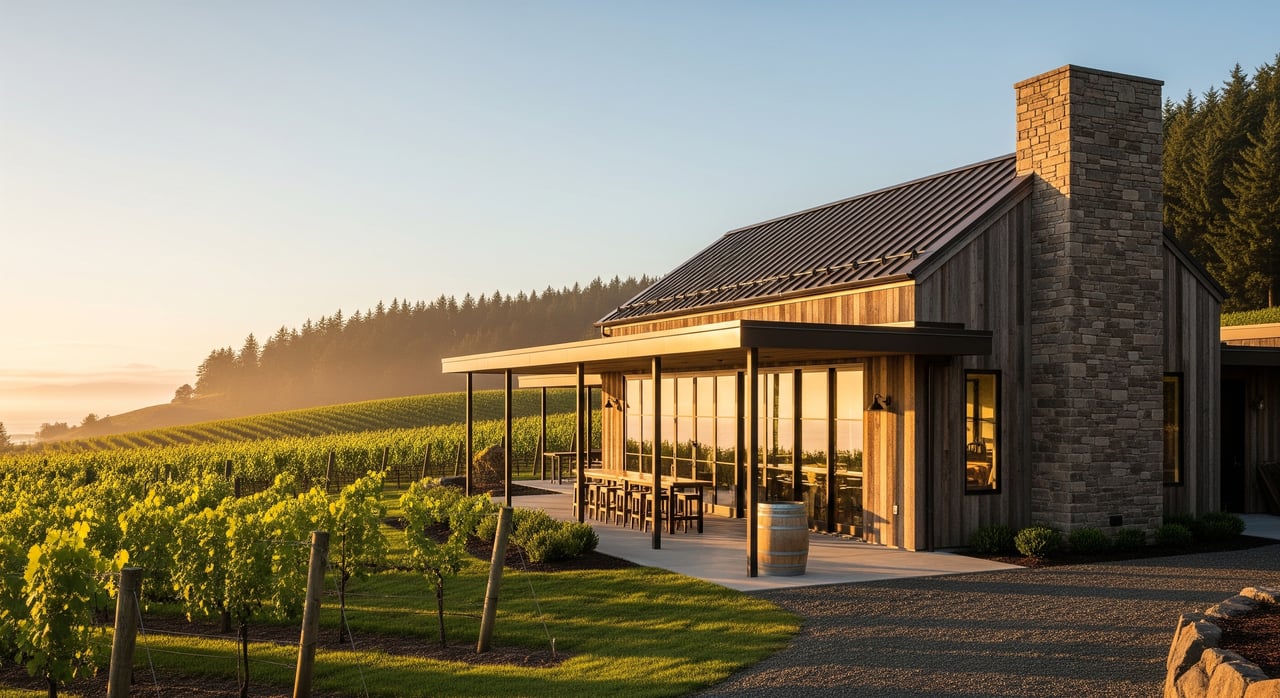
Ever picture your days split between a quiet stand of fir and a sunny tasting room on a hillside? In Polk County, that blend feels natural. You get a working landscape with real history in timber and a vibrant wine scene that draws visitors on weekends. This guide walks you through the feel of daily life, the land itself, and the practical steps to buy with confidence. Let’s dive in.
Why Polk County fits a timber-and-wine life
Polk County sits where the Willamette Valley meets the Oregon Coast Range. The landscape moves from open farmland to rolling oak hills and into forested ridges with creeks and wetlands. It is a place where you can live rural while staying within reach of town services.
The climate is classic Willamette Valley. Winters are cool and wet, summers are warm and relatively dry. That pattern supports grass seed, berries, hazelnuts, pasture, mixed forests, and vineyards known for cool-climate Pinot Noir. Plan around a wet season that shapes road maintenance, property access, and the timing of projects.
You are close to Salem for hospitals, major shopping, and services. Portland is farther north. Major roads cross the county, yet travel times vary a lot once you leave pavement. Remote properties may bring longer drives and seasonal road considerations.
Town snapshots: daily life and rhythm
Each town has its own pace. You will find independent shops, local events, and a small-town feel across the county.
Dallas
As the county seat, Dallas offers civic services, groceries, and practical amenities. The main commercial area serves a wide rural region. You get the convenience of bigger-town services without losing the local character.
Monmouth
Monmouth’s small downtown has the energy that comes with a nearby university presence. Arts, events, and rentals can reflect the academic calendar. It still feels approachable and community-centered.
Independence
Set near the Willamette River, Independence mixes historic downtown charm with access to the water. The riverfront adds recreation and scenery. Some nearby areas include floodplain considerations that smart buyers review during due diligence.
Falls City
Falls City sits in the foothills and has roots in timber. It feels closer to the woods and the Coast Range. Expect more of a remote, woodland pace and easy access to trails and forest roads.
Rickreall
Rickreall is a rural hub with the county fairgrounds. Agricultural fairs, rodeos, and seasonal events are part of the calendar. It is a natural crossroads for farm and ranch life.
Work and land uses: timber, farms, vineyards
Timber has long shaped Polk County’s economy. You still see active forestland on private and managed parcels. Timber management can influence access, aesthetics, and fire risk, and may provide revenue for the right property.
The valley floor and rolling hills support grass seed, berries, pasture, and hobby farms. Zoning protects agriculture and forestry in many areas. That helps preserve working lands while shaping what you can build, divide, or operate.
Vineyards are part of the county’s identity. Portions of Polk County lie within recognized AVAs known for Pinot Noir, Pinot Gris, and Chardonnay. Vineyard and tasting-room activity can bring agritourism traffic, small-business opportunities, and a different neighborhood rhythm on weekends.
Outdoor life and weekend fun
If you like getting outside, you have options close to home. Hiking, mountain biking, hunting, fishing, and birding are all common here. Short day trips take you from valley floors to forested ridgelines.
Baskett Slough National Wildlife Refuge is a standout for birdwatching and seasonal wetlands. Winery events, farm stands, and tasting rooms add to the weekend mix. Proximity to the Coast Range and the broader wine route makes for easy, varied outings.
What rural living really feels like
You gain space and privacy, with big skies and quiet days. You also accept the realities of a working landscape. That can include farm machinery noise, seasonal harvest trucks, or occasional logging activity.
Visitor traffic often rises on fair weekends and during winery events. Municipal services can be slower in rural zones, especially in winter weather. Set expectations early and you will find the tradeoffs often feel well worth it.
Choosing your property type
Your best fit depends on how you want to use the land. Start by defining use, access, utilities, and your appetite for stewardship.
Forested parcels
- Best for long-term timber management, wildlife habitat, and privacy.
- Plan for defensible space, fuel reduction, and access on forest roads.
- Timber revenue may be a factor if the stand and age class support it.
Farm and homestead acreage
- Fits pasture, small livestock, berries, and garden-scale food production.
- Expect EFU or farm zoning that guides allowed uses and division.
- Check soils, drainage, and winter access before you commit.
Vineyard-ready hillsides
- Look for slopes with good aspect, adequate drainage, and the right soils.
- Site testing is essential before assuming a parcel is vineyard-ready.
- Consider future tasting-room traffic and parking if you plan agritourism.
Utilities and infrastructure
Many rural properties use private wells and septic systems. Water availability and quality vary, so review well logs and, when possible, test water. Confirm septic feasibility and soil conditions with county environmental health.
Electricity is usually available, but hookup costs can rise with distance from existing lines. Broadband and cell coverage change block by block. If you need to work from home, check providers and coverage at the exact parcel.
Access, roads, and seasonality
Road type and maintenance are a big part of daily life. Gravel and forest roads can get muddy in winter and dusty in summer. Private roads may have shared maintenance obligations or HOA rules.
County road standards can shape what you need to improve before building. Budget for driveways, culverts, and drainage. A site visit in wet months gives you a clear picture of how a property handles water.
Wildfire awareness and forest stewardship
Wildfire risk has grown across much of Oregon in recent years. For wooded parcels, plan for defensible space and ongoing fuel reduction. Know your local fire district coverage and expected response times.
Forest management plans help align safety, habitat, and long-term value. Harvest activities can create short-term dust or erosion issues if not managed. Good planning keeps stands healthy and access functional.
Vineyard potential: what to check
Success depends on microclimate, slope and aspect, drainage, and soils. Many successful vineyards sit on the Eola Hills and other south to southwest-facing slopes. Do not assume a parcel will perform without site testing.
Zoning and permits matter for winery operations and agritourism. Traffic, parking, and event planning can affect neighbors and your costs. Build your budget with both farming and visitor experience in mind.
Zoning, taxes, and long-term planning
Much of Polk County’s rural land falls under farm or forest zoning. These classifications often limit subdivision and guide residential uses. They also intersect with special tax assessments tied to land use.
Timber harvests and land-use changes can shift tax status. Always check with the county assessor for parcel-specific taxes and any special classifications. A conversation with county planning helps you map out permitted uses and the application process.
A buyer’s due diligence checklist
Use this list to reduce surprises and protect your plan.
- Confirm zoning and allowed uses with county planning.
- Order a title report and review easements, access rights, and any timber liens.
- Gather well logs, septic feasibility, soil tests, and a topography assessment.
- Verify access, road standards, and private maintenance obligations.
- Check fire district coverage, response times, and insurance availability.
- If farming or vineyards are in your plan, consult local agronomy and viticulture experts.
How Made Out West helps you buy and sell
You deserve clear guidance and accurate valuation across timber, farm, and vineyard-ready properties. Made Out West Land Co. brings multigenerational forestry expertise, rigorous timber valuation, and content-first marketing to reach the right buyers. That mix supports smart price discovery and lower transaction risk.
For sellers, you can pair MLS distribution with premium video, lookbooks, and access to 60-plus channels. You also have options like sealed-bid and pocket listings to control the process. For buyers, our advisory approach helps you evaluate timber, water, access, easements, and land-use constraints with confidence.
Ready to explore life between working forests and wine country in Polk County? Talk with a local expert who lives and works here. Place your dreams in our hands and connect with David Brinker to discuss your land.
FAQs
What is daily life like in Polk County’s small towns?
- Expect a small-town pace, local events, and independent shops, with Salem nearby for hospitals, major shopping, and broader services.
How private or remote are rural parcels in Polk County?
- It ranges widely from close-to-town acreage with paved access to forest-road properties with longer drives, seasonal mud, and variable utilities.
Can I start a vineyard or tasting room on Polk County land?
- It depends on zoning, soils, slope, drainage, and permits, so verify site conditions and speak with county planning before you invest.
What utilities should I plan for on rural property?
- Many properties rely on private wells and septic systems, with electric and broadband availability varying by distance, terrain, and providers.
How does wildfire risk affect ownership in the Coast Range foothills?
- Plan for defensible space, fuel reduction, and knowledge of local fire district coverage, especially on wooded parcels.
How do taxes and zoning affect long-term land plans?
- Farm and forest zoning guide uses and division, while special assessments and harvests can change tax status, so confirm details with the assessor.